A government-grade records platform used by the Punjab Education Foundation to manage schools and students across the Nawaz Sharif School of Eminence network throughout Punjab. Because the system holds live records for minors under a public-sector mandate, its interior is not published - this case study describes the architecture, the workflows and the engineering constraints rather than the data.
The Punjab Education Foundation operates the Nawaz Sharif School of Eminence network across the province. We built the registration and records platform that sits underneath it: a single authenticated portal where each participating school manages its own student directory, admissions intake and periodic data submissions, and where the Foundation gets consistent, validated, province-wide data instead of a thousand incompatible spreadsheets. The system is in production and used by school staff daily.
The Challenge
Province-scale public-sector data has a specific failure mode: every school records things slightly differently, submissions arrive in whatever format the school has, and by the time the Foundation aggregates it, half of it cannot be trusted. Add strict privacy obligations around minors' records, highly variable connectivity and device quality across districts, and low tolerance for training overhead - the platform had to be correct, defensive and immediately obvious to use.
The Outcome
One canonical record per student, entered once by the school that owns it, validated at the point of entry rather than at the point of aggregation. Schools work a directory instead of maintaining a spreadsheet, and the Foundation reads province-wide data that is structurally consistent by construction.
Key Highlights
- ✦Per-school authenticated access with strict data isolation
- ✦Student directory as the single source of truth per school
- ✦Guided admissions and data-entry workflows with validation at input
- ✦Role-scoped permissions between school staff and Foundation oversight
- ✦Structurally consistent province-wide reporting
- ✦Built for low-bandwidth districts and modest hardware
Tech Stack
Inside the product
Public surfaces and architectural diagrams. Select any frame to enlarge.
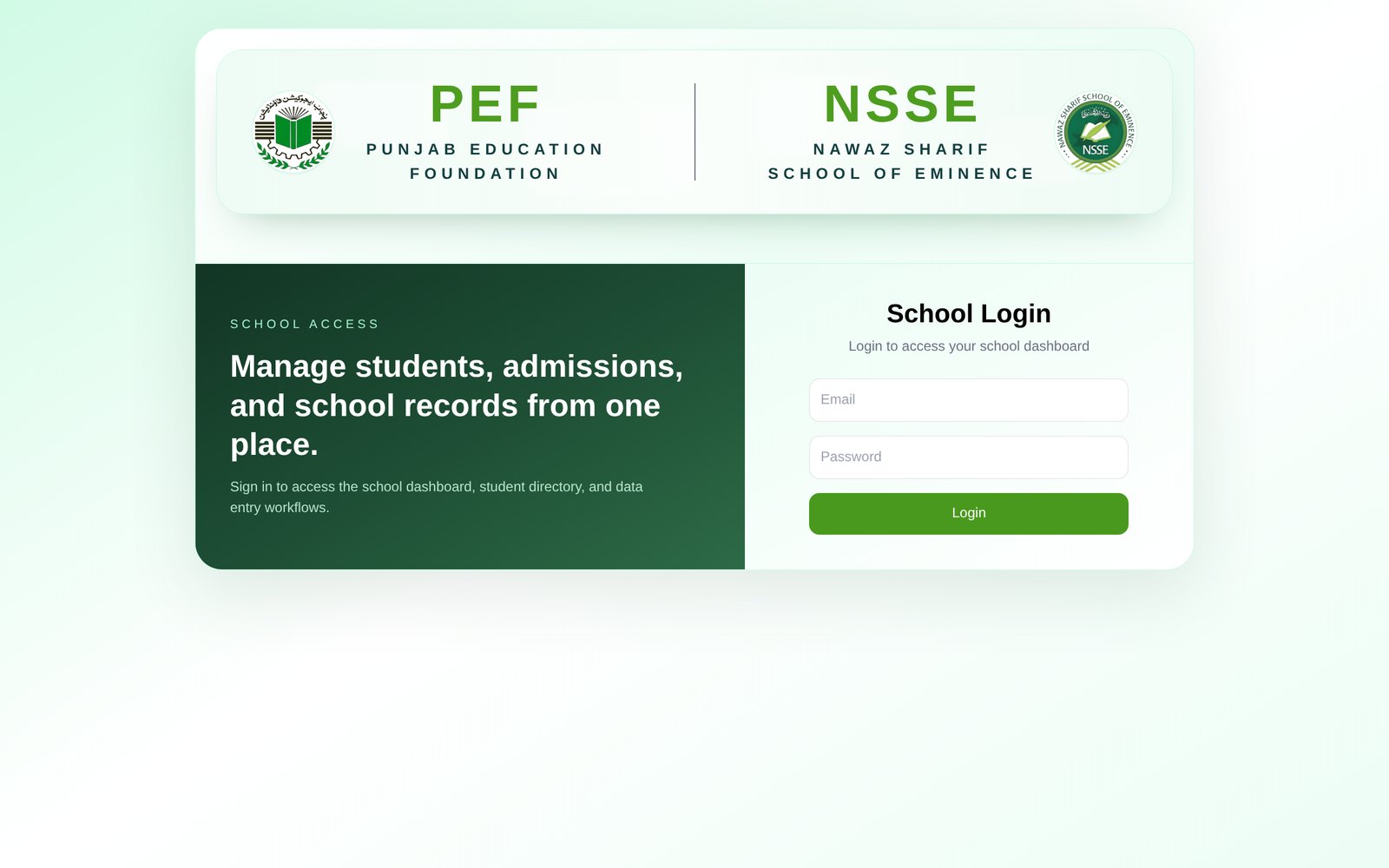
School access portal
The only publicly visible surface. Dual institutional branding for the Foundation and the school network, with a single authenticated entry point into the school dashboard, student directory and data-entry workflows.
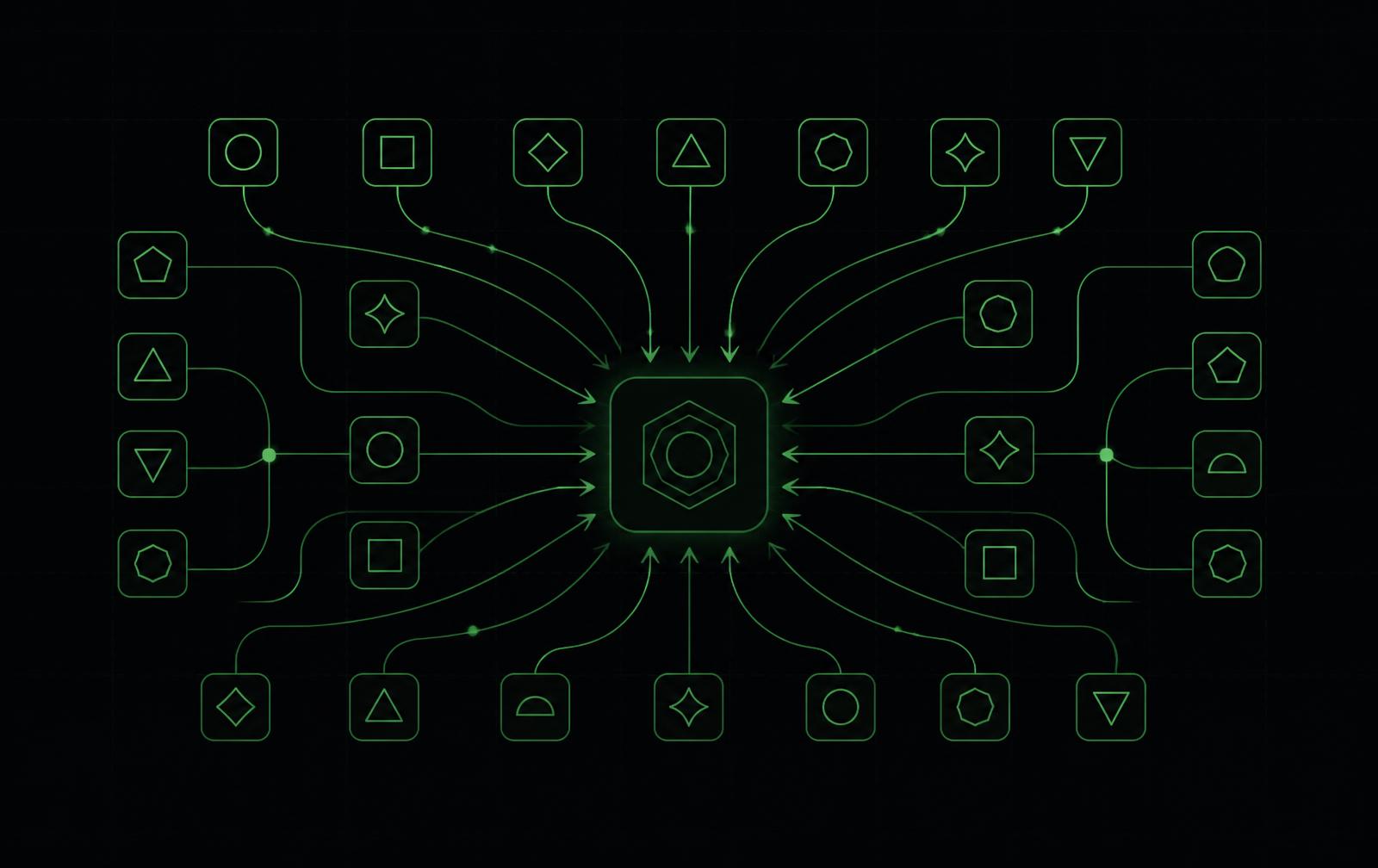
Province-wide data model
Illustrative. Each school owns and maintains its own records, and the Foundation reads a consistent aggregate - one canonical student record, entered once, validated at source rather than reconciled after the fact.
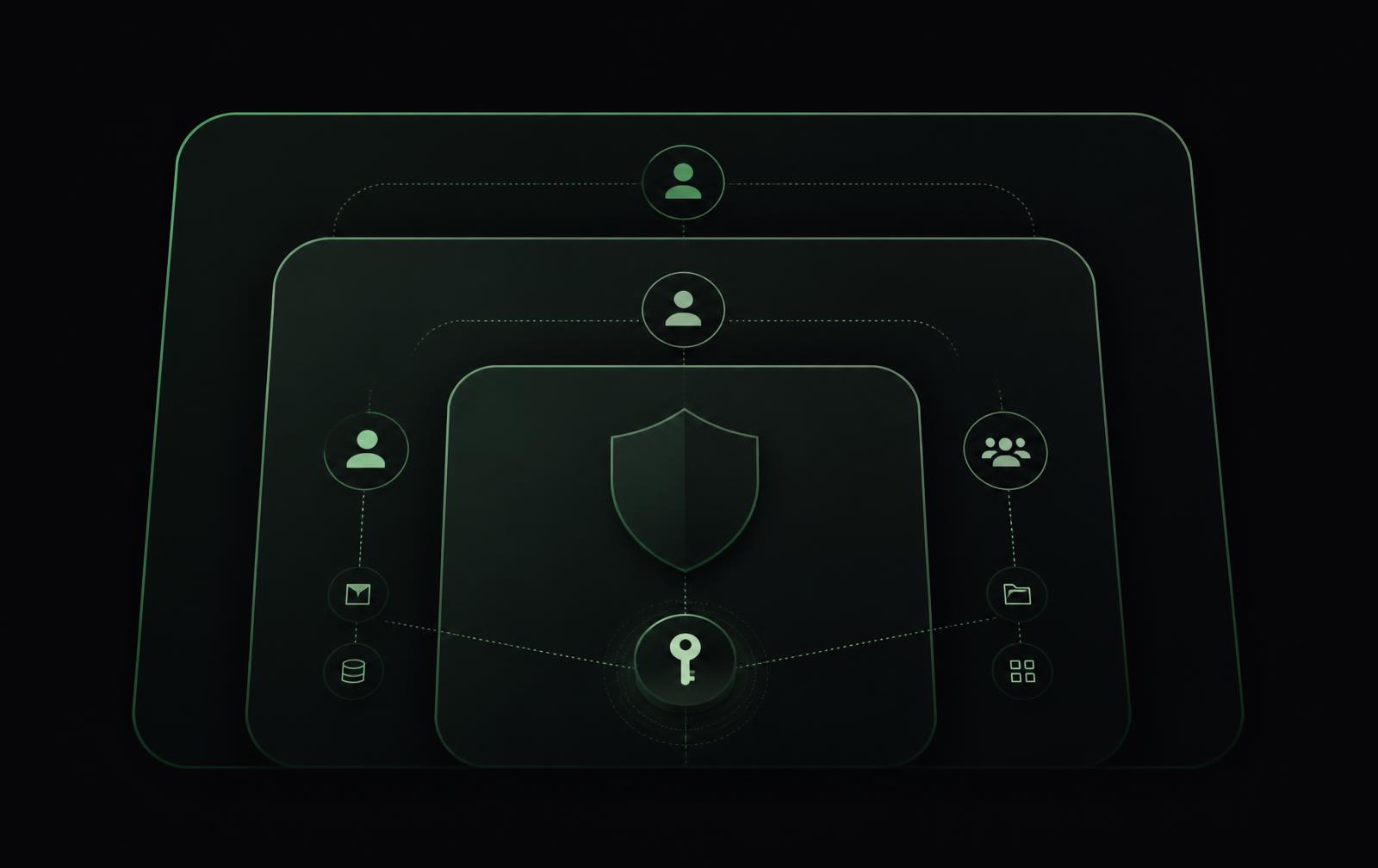
Access and isolation model
Illustrative. Permissions are scoped per school and per role and enforced at the query layer, so staff at one school can never read another school's records, and oversight roles read aggregates rather than raw personal data.
1Why this case study is deliberately partial
This platform holds live personal records for schoolchildren under a public-sector mandate. Publishing interior screenshots, record structures or sample data would be inappropriate regardless of how carefully it were anonymised, so we do not. What follows describes how the system is built and why - the architecture, the workflows and the constraints - without exposing anything about the people in it. The two architectural visuals in this case study are illustrative diagrams we produced for this page, not captures of the production system. We take the same position on every client engagement: the work can be described, the data cannot be shown.
2One record, owned by the school that creates it
The central design decision was to make the school, not the Foundation, the owner of its own data. Each school signs in to its own workspace and maintains its own student directory: enrolment, class placement, guardian contact and the periodic fields the Foundation requires. Because the school that has the actual knowledge is the one entering it, and because it is entering it into a structured form rather than a blank spreadsheet, the record is correct at creation. Aggregation then becomes a read rather than a reconciliation exercise - which is the difference between province-scale reporting that works and province-scale reporting that is perpetually three months behind.
3Validation at the point of entry
Every field that can be constrained is constrained where it is typed. Identifiers are format-checked, dates are bounded to plausible ranges, class and section values come from controlled vocabularies rather than free text, and required combinations are enforced before a record can be saved rather than flagged in a later audit. Data-entry workflows are stepped and explicitly signposted so a member of staff with no training can complete an admission without guessing. This is unglamorous engineering and it is the entire reason the aggregate is trustworthy.
4Access control and data isolation
Authentication is per school, and authorisation is enforced server-side on every query rather than by conditionally rendering the interface. A school's staff can read and write only that school's records; there is no route, parameter or identifier they can manipulate to reach another school's data. Foundation-level roles are separated from school-level roles and are scoped to the aggregate and administrative surfaces they need. Sensitive actions are recorded, so any change to a student record can be attributed to an account and a moment in time.
5Built for the districts it actually runs in
This platform is used on modest hardware over unreliable connections, often far from a major city. That shaped the engineering: pages are light, interactions degrade gracefully, forms preserve entered work rather than discarding it on a failed request, and nothing critical depends on a heavyweight client-side runtime. The interface is deliberately plain - high contrast, large targets, unambiguous labelling, no decorative motion - because the measure of success here is a school administrator completing an admission correctly on the first attempt, not how the product photographs.
Interested in a similar project?
Let's discuss how we can bring your vision to life.
neurobridgetechnologies@gmail.com
Based in Lahore, PK
Serving clients globally
Registered ® with the Registrar of Firms
Services
© 2026 Neuro Bridge Technologies. All rights reserved.